Lloyd’s CEO John Neal has described climate change as “the largest single underwriting and investment opportunity” that most re/insurers will see in their careers.
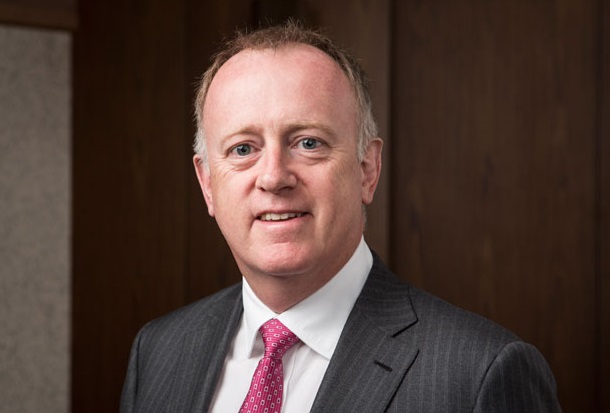 Speaking on a panel at S&P’s virtual 37th Annual Insurance Conference last week, Neal said the re/insurance industry needs to “look at climate positively.”
Neal was joined by AIG chief Peter Zaffino and CNA Financial head Dino Robusto in a discussion that aimed to provide executive perspectives on some of the key issues facing the market at present.
With the immediate threat of the pandemic now behind most re/insurers, climate change was identified as one of the major challenges for the next few years, alongside claims inflation.
Indeed, an audience poll during the S&P panel revealed that more than half of attendees felt that climate change will have the most profound impact on the insurance space over the next three to five years, easily beating out issues such as regulation and insurtech disruption.
But Neal urged viewers to view climate change as “an opportunity, not a threat.”
“It is giving us a real option to design new products and services that are relevant to where governments and policy want to take their vision of the green industrial revolution,” he explained. “It does take us into a broader understanding of systemic risk, and creates a huge investment opportunity for us.”
The Lloyd’s CEO acknowledged that re/insurers still have significant ground to cover in terms of developing the skills needed to take advantage of the opportunity, as well as obstacles to overcome when collaborating with governments and regulators.
However, he maintained that the industry needs to be able to “represent where policy, society and government wants us to go,” while also working constructively ensure the transition to a low carbon economy.
“You can’t walk away from transition either,” he noted. “So if there’s nobody prepared to insure the transition that takes us from a carbon dependent world to a non carbon dependent world, then we’ll never get there … So it’s a complex subject, but I think we should be bold, have a brave voice and be prepared to talk about the transition aspects and the end game.”
Building on this point, Peter Zaffino observed that it often falls to the re/insurance industry to be a first-mover by coming up with standards that other companies can then follow.
“It’s a very important issue. It is not going away. And it’s one that’s going to require significant focus and progress,” he said, but added that significant challenges remain for re/insurers to tackle climate risk.
“How do you actually have impact?” Zaffino asked the other panellists. “How do you make commitments that aren’t so far in the distance, that it’s hard to measure progress in the short run? How we assist our clients in terms of that transition to make an impact is going to be incredibly important for companies and for the industry.”
“I think we’ve just got to take a step back and have a longer term view,” Neal returned, but added that, even in the short term, re/insurers have the means to adapt to the shifting demands of climate risk.
“One advantage at least we have as P&C insurers is that we reprice our product every 12 months, and the good news is that we’ve got pretty good loss data. And we can see the trends both in terms of frequency and severity. There’s much more work to do around modelling and around the secondary risk. But we’ve got an ability in short term to understand that risk, accept it or not accept it and price accordingly.”
“So I don’t think we should feel completely threatened by frequency and severity of weather events, Neal concluded. “It’s within our power to understand that risk with the sophistication we have today and to adjust our price.”