A new report from Bloomberg Intelligence suggests that, despite charging on average 12% more to provide cover for electric vehicles, auto insurance premiums in the UK still do not account for the much higher claims cost of electric vehicles.
 Analysts estimate that repairing damaged electric vehicles can cost 53% more than for other vehicles, meaning that insurer margins could come under increasing pressure as electric sales increase, unless prices are adjusted.
Kevin Ryan, Senior Industry Analyst, Insurance at Bloomberg Intelligence said: “Electric vehicles (EVs) made up 23% of all new UK auto sales in 2022, and while insurers charge 12% more on average to insure them, that may not be nearly enough,” commented Kevin Ryan, Senior Industry Analyst, Insurance at Bloomberg Intelligence.
“EV batteries also have uniquely challenging risk profiles capable of significantly boosting insurers’ third-party costs,” he added.
“We therefore contend that the 12% extra average cost to insure an EV is probably an inaccurate reflection of additional risk, squeezing margin at Admiral, Direct Line, Hastings and other auto insurers.”
According to Bloomberg Intelligence, Direct Line’s profit would appear to be under more pressure than peers, despite recording similar levels of claims inflation, whereas Admiral and Hastings seem to be handling the challenging trading environment better.
And analysts also warn that an increase in registrations of electric vehicles could potentially sap industry profitability further, with EY predicting the industry will post a combined ratio of 115% in 2022 and 114% in 2023.
Demand for electric vehicles has climbed steadily in recent years in the UK, reaching 23% of all new sales in 2022, up from 19% in 2021, 12% in 2020 and the 9% in 2019.
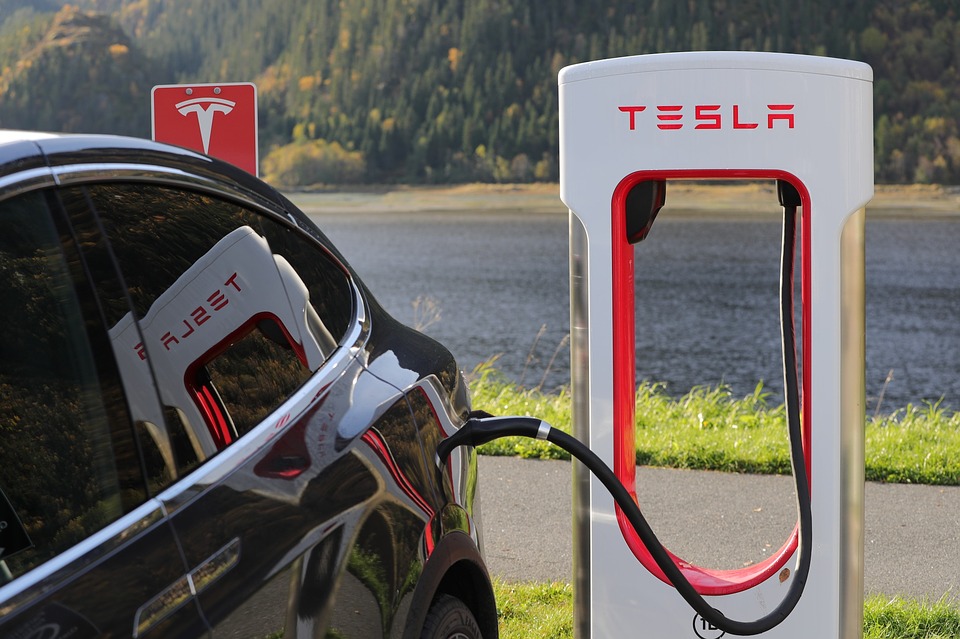
Additionally, the two most popular models in 2022 were the relatively expensive Tesla Model Y and the Tesla Model 3, which together accounted for 46% of electric sales, suggesting high repair costs.
While UK auto insurers do recognise there is higher risk, Bloomberg contends that premium levels are still not adequate to make up for the potential costs.