CCR estimates that claims for perils covered by the natural disaster compensation scheme are likely to increase by around +40% by 2050 as a result of climate change, and by +60% if changes in insured stakes (population growth and urban density) are taken into account.
 These figures stem from CCR and Météo-France’s study on the impact of climate change on the cost of natural disasters up to 2050, which highlighted a “significant increase in the costs associated with global warming, and is a further reminder of the importance of modelling to support local authorities in preventing and adapting to climate risks.”
Set up more than four decades ago, CCR noted that the natural disaster compensation scheme has achieved the objectives set by the legislator in 1982, i.e. to cover as many people as possible at a sustainable price and to provide appropriate compensation to individuals and businesses that have suffered a disaster, enabling a rapid return to normal and ensuring the resilience of the French population and economy.
CCR said that in addition to compensating for losses, the nat cat scheme has “improved knowledge of these risks, which were relatively poorly understood in 1982, and has made a major contribution to funding prevention.”
Though, while the scheme has worked well to date, CCR observed that it is now beginning to face the challenge of climate change, with a succession of years with high claims due to geotechnical drought, “which is probably a preview of the claims experience expected in the medium term.”
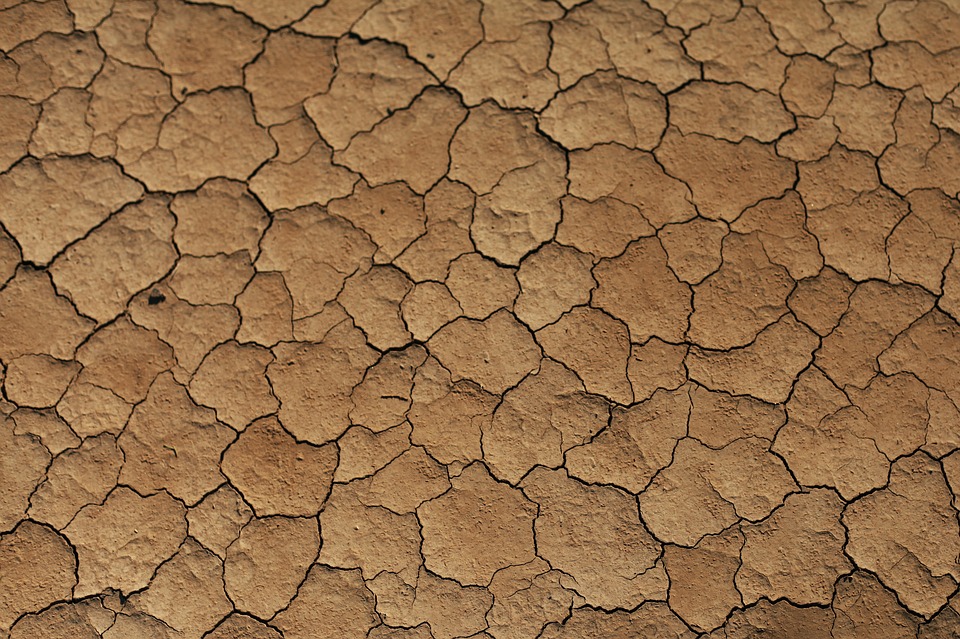
CCR added, “With an estimated cost of almost €3.5 billion for 2022 and an initial estimate of around €900 million for 2023, geotechnical drought is the most worrying hazard, given the amount of damage it causes and the significant increase in the future.”
According to the study, climate change is overturning traditional actuarial approaches, with the use of historical claims experience and even complex physical modelling reaching its limits due to the changing and non-stationary nature of the climate.
Edouard Vieillefond, Chief Executive of CCR, commented, “Since 2015, together with Météo-France, we have been analysing the impact of global warming on the cost of compensating for natural disasters up to 2050.
“This study shows us that, once again, the costs modelled for drought and flood perils will continue to rise until 2050. Against this backdrop of a structural upsurge in claims, this work should help to inform all the players involved, to ensure that crisis management and prevention systems are relevant and up to date in all our territories. As the last 6 years have shown, geotechnical drought will be the main hazard we need to take into account in the coming years.”
Vieillefond continued, “In this context, the question we need to ask ourselves collectively is how we adapt our existing and future buildings to the problem of clay shrinkage and swelling.
“A genuine risk prevention policy is needed, because the insurability of RGA can only be based on joint action by the State, local authorities, insurers, reinsurers and, ultimately, policyholders. There is a major need for each of the stakeholders to get involved and be aware of the various prevention mechanisms that exist.”