Karen Clark & Company (KCC) has estimated that the privately insured loss from Hurricane Beryl will be close to $510 million in the Caribbean, $90 million in Mexico and $2.7 billion in the US.
 According to the firm, its US estimate includes the privately insured damage to residential, commercial, and industrial properties and automobiles and business interruption, though does not include boats, offshore properties, or NFIP losses. Meanwhile, the estimates for the Caribbean and Mexico do not include automobiles or business interruption.
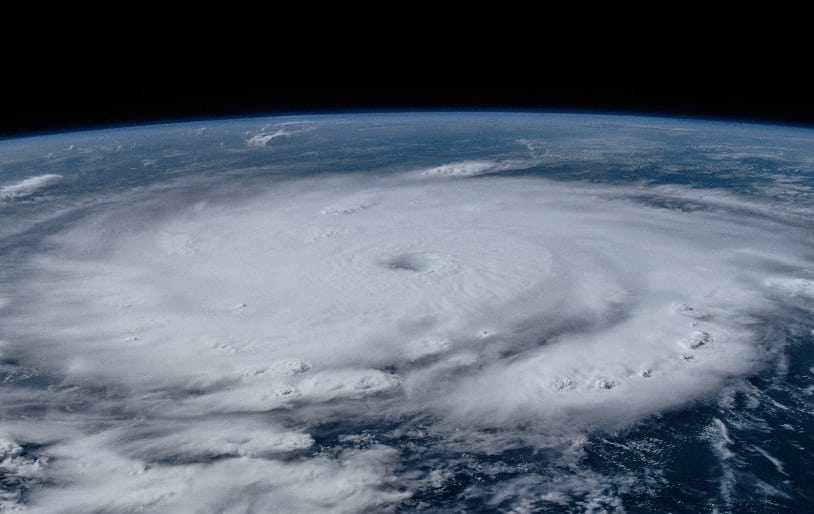
Providing some meteorological background on the event, KCC said that Hurricane Beryl began as a tropical depression over the central tropical Atlantic on June 28.
The system reportedly organised into a tropical storm just a few hours later and rapidly intensified over the next two days, becoming a Category 4 hurricane on June 30, the earliest hurricane of this strength recorded in the Atlantic Basin.
Then, on July 2, Beryl became the earliest Category 5 hurricane on record, surpassing the previous record of Hurricane Emily by over two weeks.
As per KCC, the path of Beryl stretched from the Windward Islands in the Caribbean to the Texas Gulf Coast. The storm made three separate landfalls: Carriacou Island, Grenada on July 1; Tulum, Mexico on July 5; and finally Matagorda, Texas on July 8.
Speaking on the impacts from Hurricane Beryl, KCC said they were felt across the Windward Islands of the Caribbean.
“The eye passed directly over Carriacou with 150 mph winds, causing extensive destruction to roofs and structural damage. 95% of homes on Carriacou and Petite Martinique were either damaged or destroyed. Nearby St. Vincent and the Grenadines were similarly devastated, with 90% of homes on Union Island destroyed,” the firm explained.
Barbados was said to have been impacted less severely, but still experienced some damage to buildings.
KCC observed that following the Grenada landfall, Beryl headed towards Jamaica and the Cayman Islands. The storm did not make landfall in Jamaica, but the eyewall reportedly skirted the southern coast of the island as a powerful Category 4 hurricane.
The firm continued, “65% of Jamaica was without power following Beryl’s bypass of the country. A significant number of homes were destroyed or damaged.
“Local officials have reported that 38% of public hospitals sustained damage—mainly roof damage, but some structural damage as well. In addition, 100 schools have been assessed and collectively sustained millions of dollars in damage.”
On the Mexican front, KCC noted that Hurricane Beryl made landfall near Tulum on the Yucatan Peninsula on July 5 as a strong Category 2 hurricane with maximum sustained winds of 110 mph.
Local officials report that damage from Beryl was minor, but that tens of thousands were without power following the storm.
Beryl then continued towards Texas and made landfall early in the morning on July 8 near Matagorda—between Galveston and Corpus Christi—as a Category 1 hurricane with maximum sustained winds of 80 mph.
On this KCC said, “Tropical storm-strength winds lasted well inland, with sustained winds of 73 mph measured in Galveston Bay and 66 mph near Morgan’s Point.
“More than 2.5 million homes lost power throughout Texas. There have been many reports of downed trees falling on homes and cars throughout the impacted area. There have also been numerous reports of roof and structural damage, particularly in areas along the coast, including Surfside Beach and Jamaica Beach.
“Roof and siding damage have also been reported in Galveston, College Station, Houston, and Pasadena. The storm surge from Hurricane Beryl reached six feet in some areas. Many vehicles have been reported flooded due to the high waves and storm surge.”