Analysts at KBW have said that their near-term outlook favours re/insurers focused on lines for which underwriting prospects are improved by the coronavirus (COVID-19) pandemic and global responses to it.
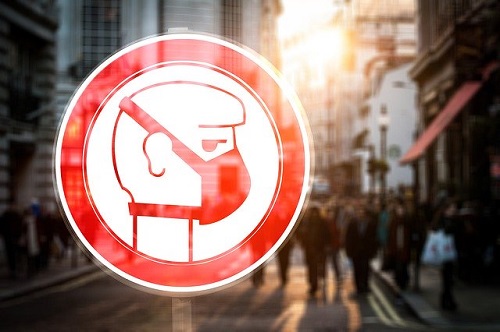 In contrast, they added that re/insurers exposed to lines with virus-related loss exposure will probably see initial pressure.
For example, KBW expects rapidly rising unemployment to depress workers compensation claims by more than it depresses payroll-dependent premium volumes.
Although there may be an increase in questionable claims as many workers’ income outlook deteriorates, historically, that recessionary impact has been offset by declining claim frequency that could reflect a combination of terminated, inexperienced workers.
Despite ongoing efforts to force insurers to pay business interruption claims regardless of policy language, KBW believes efforts to retroactively undo unambiguous virus exclusions will ultimately fail as unconstitutional, with potential economic impacts going well beyond the P&C industry.
On the other hand, the firm noted that some courts will probably rule that the presence of the coronavirus constitutes covered property damage for policies without an explicit virus exclusion, implying some exposure to business interruption losses within commercial property lines.
“We don’t think these losses will bankrupt the industry, but we also caution investors against assuming that the virus will cause virtually no business interruption losses,” analysts warned.
KBW has also included inland marine among the lines of business likely to see deteriorating underwriting results, since many or most insurers report event cancellation premiums within inland marine.
Overall, KBW expects pandemic-related issues to only modestly impact Q1 2020 earnings, with more significant influence in 2Q20 and beyond.
But the pandemic and economic slowdown will mostly impact 2020 results, it added, with much less impact forecast for 2021.