Natural habitats like mangrove swamps and salt marshes can provide significant protection against storms and help reduce insurance losses, according to a recent Swiss Re Institute article.
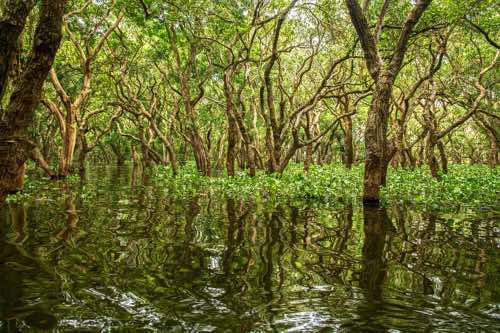 Swiss Re studied Florida’s coastline, which has the highest exposure to storm surge of any U.S. state, and found that natural protection in these areas helped lower the frequency of insurance claims from less severe weather events between 2009 and 2022.
By cross-referencing claims data with its Biodiversity and Ecosystem Services Index, Swiss Re isolated the expected risk reduction provided by coastal habitats—such as coral reefs, mangroves, salt marshes, and seagrass meadows—by comparing areas with the highest and lowest levels of natural protection.
The study found that well-protected coastal areas had significantly fewer flood-related insurance claims each month. Even after accounting for other flood risk factors, Swiss Re found that claim frequency was about 50% lower in areas with strong coastal habitat protection.
However, the degradation of these ecosystems weakens their ability to prevent flooding. One Florida study estimated that coral reef deterioration alone could increase annual coastal flood damages by $385 million. For insurers, this highlights the financial benefits of preserving natural coastal protection.
Gillian Rutherford, Head of Sustainability Markets at Swiss Re and co-author of the article, said, “The insurance industry can play an important role in supporting the preservation and upkeep of ecosystems. Incentives are aligned here, and as this study clearly shows, we have skin in the game.
“By leveraging data on coral reefs, mangroves and salt marshes, re/insurers can integrate the benefits of nature into risk assessments, deploy solutions to indemnify coastal habitats in the face of natural disasters, and guide investments into nature-based solutions.
“Such forms of coastal protection can contribute to more resilient properties and communities and to their insurability.”