Recent attacks on ships in the Red Sea and a drought plaguing the Panama Canal area have wreaked havoc on global shipping, leading to a more than quadruple increase in prices since late 2023, according to a report by Swiss Re.
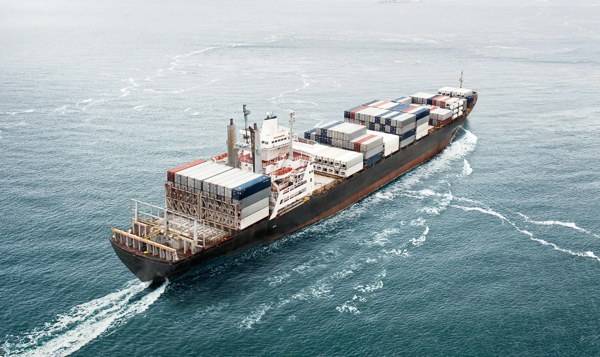 The report highlights that these disruptions have severely impacted supply chains, with spot shipping prices soaring to more than four times their pre-attack levels.
This escalation in prices may further intensify if the disruptions persist into the peak shipping season in the second half of the year.
Marine insurance contracts in the affected areas are feeling the strain, with premiums skyrocketing to accommodate the heightened risk and coverage being adjusted accordingly.
Additionally, there are concerns about potential claims inflation, particularly if core goods inflation begins to rise again.
The disruptions in the Red Sea and Panama Canal are causing significant delays and increased costs for exporters, as many shipping companies opt to reroute their vessels, adding substantial time and distance to typical round trips.
This rerouting is particularly impactful for the vital trade route between Asia and Europe.
Furthermore, the drought affecting the Panama Canal has led to a reduction in daily transit slots, exacerbating the challenges faced by global shipping. Spot prices between Asia and the US East Coast have doubled since October due to these constraints.
The disruptions pose significant risks to the macroeconomic outlook, especially if they persist into the peak shipping season later in the year.
There are also concerns about the feasibility of providing coverage for certain economically valuable undertakings due to the heightened geopolitical uncertainty.
These challenges are already beginning to affect various sectors, with manufacturing purchasing manager indices reflecting disruptions in supplier delivery times and input costs.
Some auto manufacturers have halted production in European factories due to delays in parts arrival, while retail firms may suffer from prolonged higher freight costs.
While there are factors suggesting a limited impact so far, such as higher inventories-to-sales ratios and less robust goods demand compared to the pandemic period, the longer-lasting the disruptions, the more likely they will feed into core inflation rates with a lag.