As civil unrest rises, specialist Strikes Riots and Civil Commotion (SRCC) cover has become even-more necessary in protest-prone regions, Chaucer analysts have revealed.
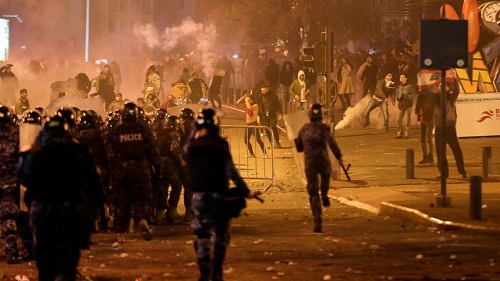 According to research by the re/insurance group, civil unrest in the Middle East – including looting/property destruction, mob violence, protest with intervention, violent demonstration – has risen 11% in the past year, from 6,609 to 7,401 incidents.
Soaring inflation, with sharp increases in energy and food prices have been the main drivers for the rise in civil unrest in the region, researchers stated.
Chaucer highlighted that with some insurers increasingly look to exclude coverage for damage from strikes and civil unrest from standard insurance policies, specialist insurance like SRCC has become highly sought-after.
However, even in the standalone market, the rise in civil unrest has led to some insurers limiting what they cover in terms of damage from civil unrest.
Fawzi Omari, Senior Executive Officer of Chaucer’s Dubai office, said: “Rapid inflation has given rise to protests in certain parts of the Middle East, impacting countries in the region that have traditionally been considered as being relatively stable.”
“The trend for protests has also taken place in North African countries where the long-term effects of COVID-19 on the region’s economy, the war in Ukraine and accompanying supply chain disruption and commodity-price shocks – are still being felt.”
“Higher incidences of civil unrest have deterred some risk-averse insurers from covering physical damage from social unrest, creating opportunities for specialist insurers to fill the gap in the market – particularly in more volatile parts of the globe.”
Retailers, banks, and some multinational brands – which tend to cluster on high streets in large town centres – are especially prone to damage from protests.
In places like Jorda, civil unrest has risen 30%, this has been largely due to protests which began on December 15 of 2022 over rising gas prices. Oil and gas prices worldwide spiked after the Russian invasion of Ukraine.
Banks in Lebanon closed for three days from September 16 last year, citing safety concerns as the country’s liquidity crisis inflamed depositors. The Lebanese Pound (LBP) remains very volatile – a problem further exacerbated by the fact that 81% of Lebanese wheat imports are from Ukraine.
Additionally, protests over price rises were also prevalent in nations wracked by internal conflict. Syria saw a 19% increase in civil unrest, rising from 145 to 173 in the past year with a wave of protests erupting in early December due to inflation, power cuts, and food and fuel shortages.