A “staggering” portion of Europe is currently exposed to risk of drought, according to a new report by The European Commission’s Joint Research Centre.
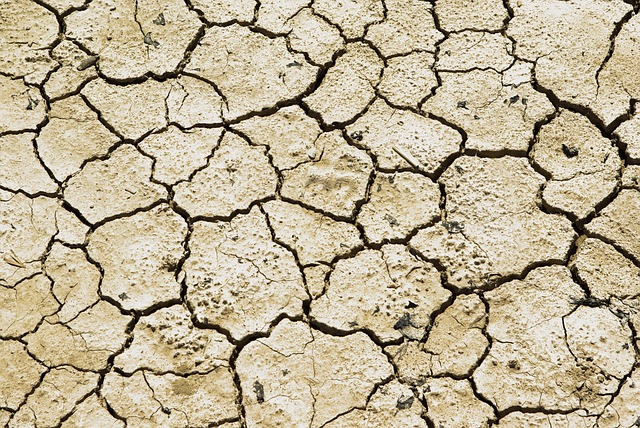 The drought in much of Europe is critical, the report says, as the winter-spring precipitation deficit was exacerbated by early heatwaves.
River discharge in multiple countries is severely affected, with stored water volumes also depleted. Altogether, this may require extraordinary water and energy management measures to be taken in affected countries.
The lack of precipitation means soil water content has reduced significantly. This has made it harder for plants to extract water from the soil, leading to widespread stress on vegetation, namely in the Italian lowlands, in southern, central and western France, in central Germany and eastern Hungary, Portugal and in northern Spain.
In Italy, the Po River basin is facing the highest level of drought severity. Drought emergency has been declared in five Italian regions and insufficient water availability has led to multiple use restrictions across municipalities. Similar measures to restrict water use have been taken in France.
In Spain, volumes of water stored in reservoirs are currently 31% lower than the 10-year average. In Portugal, hydroelectric energy stored in water reservoirs is at half the average of the previous seven years. Both countries are experiencing conditions conducive to wildfires.
Energy production from run-of-river plants until the beginning of July was lower than the 2015-2021 average for many European countries, notably in Italy (-5039 GWh compared to the average), France (-3930 GWh) and Portugal (-2244 GWh). The same decrease is true for hydropower reservoir levels, affecting countries such as Norway, Spain, Romania, Montenegro and Bulgaria, among others.
This lack of water is also reducing or suspending hydroelectric and thermoelectric power production operations across countries. In summary, drought conditions and water scarcity are affecting energy production and reducing crop yield.