
Catastrophe risk modelling firm AIR Worldwide (AIR) has estimated that the insured cost of onshore property damages resulting from Hurricane Sally will be between $1 billion and $3 billion.

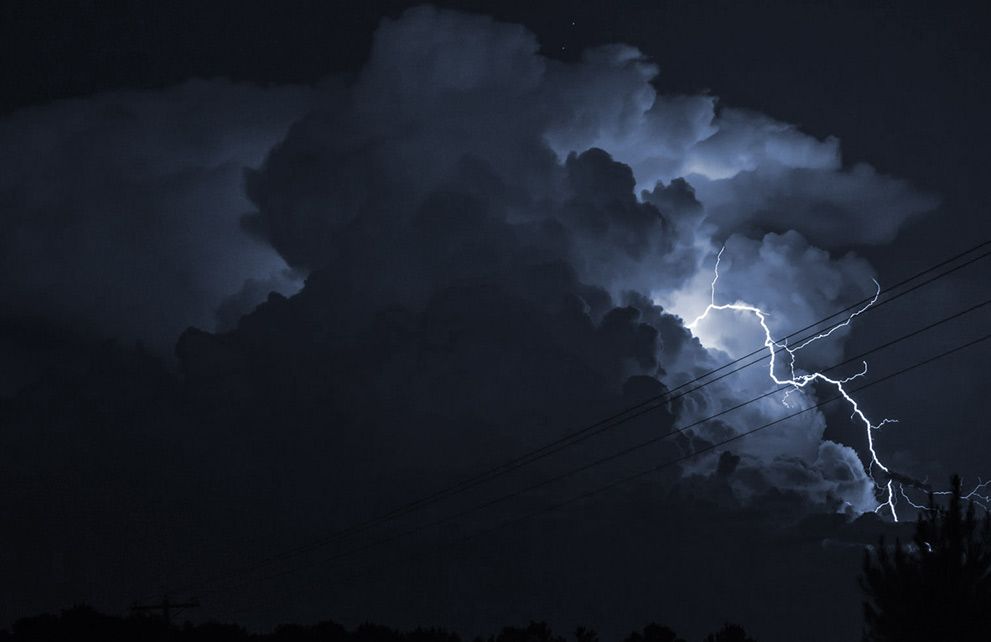
Hurricane Sally shortly before making landfall on September 15th. Source: NOAA
Losses were caused by wind, storm and inland flood, with wind representing the majority of the onshore loss.
Although Sally included a major flood component, this peril remains underinsured in the worst-hit states of Alabama and Florida, and it’s believed that the majority of losses will fall to the NFIP.
AIR Worldwide’s range supports the estimate released today by Karen Clark & Company (KCC), who settled on a figure of $2 billion for onshore industry losses.
Sally made landfall near Gulf Shores, Alabama, just west of the Florida border, on September 16th as a Category 2 hurricane with maximum sustained winds of 105 mph (165 km/h) and a minimum central pressure of 965 mb.
The storm quickly diminished after landfall as it crept northeast at around 3 mph, bringing wind gusts over 100 mph, storm surge of around 6-7 feet, and rainfall of up to 30 inches.
According to AIR, although wind speeds diminished rapidly after landfall, Sally buffeted cities and towns for hours as it moved north-northeast across Alabama at speeds as slow as 2 mph.
Coastal areas between Mobile, Alabama, and Pensacola, Florida, lingered in the northern eyewall for hours and tropical storm-force winds battered southern Alabama and the western Florida Panhandle all through the afternoon of the 16th.
Along its track, Sally caused mostly minor roof damage, broken windows, downed trees, toppled church steeples and appurtenant structures such as gas station canopies, and some isolated major structural failures, and damaged infrastructure in Alabama and Florida.
At its height, power outage extended to nearly half a million customers, most of them in Alabama and Florida.
Included in AIR’s estimates are losses to onshore residential, commercial, and industrial properties and automobiles for their building, contents, and time element coverage.
Analysts at AM Best said earlier this week that they do not expect Sally to constitute a major insurance industry loss due to its large flood component, which will mainly be covered by NFIP.
According to the NFIP estimates as of July 2019, only eight of the roughly 50 counties vulnerable to moderate to high flash flood risk from Sally have more than 25% of properties insured.
As more than two thirds of flood coverage written in Alabama is federal, flood losses for the NFIP will be significant, but this could also signal significant losses for the NFIP’s reinsurers and investors on its flood-related cat bonds.