Driven by rising insurance penetration and a deepening of underlying risk pools in India, the country’s reinsurance market is “progressing well,” according to Sanjay Radhakrishnan, Chief Executive Officer (CEO) of EDME Insurance Brokers Ltd.
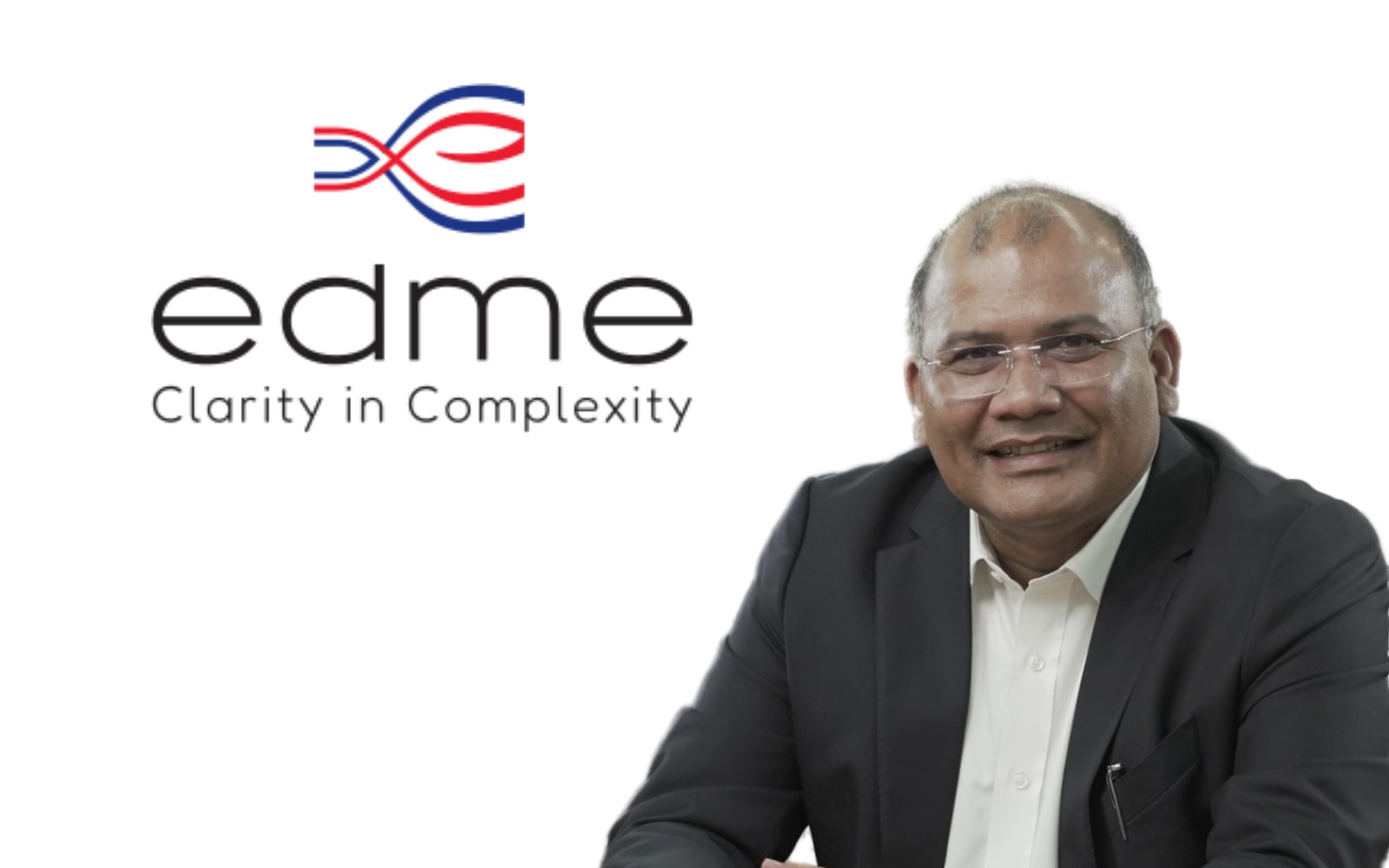 In an interview with Reinsurance News, Radhakrishnan said that in recent years, demand across specialty and infrastructure-linked segments, including surety, energy, mobility, and technology, amongst others, has risen, complementing the traditional property, motor, and health portfolios.
Simultaneously, explained Radhakrishnan, regulatory reforms by the Insurance Regulatory and Development Authority of India (IRDAI), and the establishment of a dedicated reinsurance framework within Gujarat International Finance Tech-City (GIFT City), India’s first operational smart city under International Financial Services Centres Authority (IFSCA), have expanded market participation and provided clearer operating pathways for both domestic and international players.
He said, “These shifts have contributed to stronger competition, broader access to capacity, and greater technical engagement across the market. While natural catastrophe exposures and pricing pressures persist in some segments, the overall trajectory suggests a gradually maturing ecosystem with increasing sophistication and analytical depth.”
Radhakrishnan believes that inward treaty reinsurance is critical to India’s aim to become a global reinsurance hub, as it contributes tremendously to the country’s long-term position within global risk markets.
“By underwriting select third-country risks through onshore and IFSC platforms, India can diversify its exposure base and build depth in underwriting, actuarial and analytics capabilities, elements that are characteristic of established reinsurance centres. Inward treaty flows also help retain premium, technical skills and service ecosystems locally, reinforcing the development of GIFT City as a regional platform. While this remains an evolving area, sustained and well-governed inward treaty participation can support India’s ambition to gradually transition from being a large domestic reinsurance market to a recognised contributor within regional and international risk transfer,” he said.
Expanding on India’s regulatory environment, which is primarily overseen by the IRDAI, the CEO described the landscape as a “thoughtful balance between supporting market development and maintaining policyholder protection.”
“On one side, several enabling measures have broadened participation and capacity: the recognition of foreign reinsurance branches and Lloyd’s India, the establishment of IFSC insurance offices in GIFT City under IFSCA, and an increased ceiling for foreign investment in insurance have collectively contributed to a clearer operating architecture and increased global engagement. The regulatory framework also recognises the growing relevance of alternative risk transfer solutions, such as parametric structures, and aligns with India’s expanding economic footprint, rising infrastructure investment and deepening insurance demand,” said Radhakrishnan.
“Certain features of the framework- such as the order of preference, obligatory cession requirements, and collateral expectations for some cross-border placements, continue to prioritise domestic capacity and retention. These provisions may influence how reinsurers operating in India calibrate capital costs, pricing and operating assumptions.
“In totality, the regulatory approach can be viewed as one that encourages capacity expansion, innovation and international alignment, while also ensuring that the domestic market develops resilience in a phased and orderly manner. As the market evolves, ongoing dialogue among stakeholders may continue to refine the balance between retaining risk domestically and integrating more deeply with global reinsurance markets,” he added.
As India’s reinsurance market continues to mature, Radhakrishnan highlighted growing interest in parametric and structured programmes as organisations seek more predictable protection against increasingly complex and climate-linked risks.
Radhakrishnan explained, “Multi-line and multi-year structures may offer continuity and reduced renewal volatility for both cedants and reinsurers, although they require disciplined modelling, clear contractual wording and alignment with accounting and regulatory considerations. While traditional indemnity structures will continue to play a central role, the market’s increasing familiarity with these alternative approaches suggests they may become an important complement, particularly for managing secondary perils, infrastructure exposures and climate-sensitive risks.”
Looking ahead to emerging risks or trends that could shape the Indian reinsurance market in 2026, Radhakrishnan noted that climate-linked secondary perils, including heat stress and urban flooding, are influencing underwriting strategies, emphasising that such risks are directly prompting refinements in catastrophe modelling and a greater emphasis on resilience-oriented products.
He went on to state that, “Cyber risk has continued to evolve, with aggregation and systemic exposures becoming more material as digitalisation accelerates. Infrastructure development is contributing to demand for surety and performance-related covers, while electric mobility and renewable energy introduce evolving loss patterns with limited historical data. These trends collectively suggest a period in which specialty lines, analytics-driven pricing and product innovation will play an increasingly prominent role as data availability improves and technical expertise deepens across the market.”
To end, we asked Radhakrishnan what he sees as the biggest challenges and opportunities for buyers and sellers over the next three to five years.
“For cedants, strengthening exposure data, claims governance and portfolio segmentation will likely be central to navigating underwriting discipline and optimising capacity access. For reinsurers, capital availability, pricing cycles and evolving climate and cyber patterns may shape portfolio strategies, while structured and hybrid solutions could create avenues for differentiation. Across all stakeholders, India’s long-term growth and the ambition of significantly expanding insurance access offer meaningful opportunity, provided market participants continue to advance technical capabilities, develop India-specific models, and invest in talent and technology. Regulatory evolution, when aligned with disciplined underwriting and data-driven practices, can help support sustainable market development in the years ahead,” said the CEO.