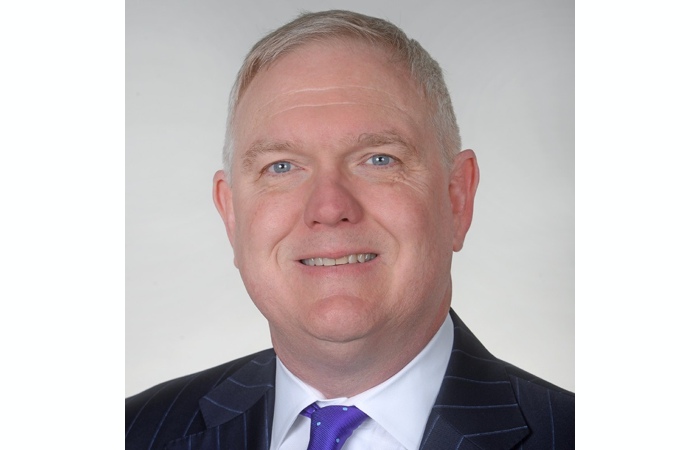
Markel Co-CEO Richie Whitt has asserted that his company is “prepared to walk away from business that is not adequately priced” as it contends with inflationary pressures and a volatile investment market.
 Markel reported a comprehensive loss of $367.4 million for the third quarter of 2022, due mainly to investment losses and unrealized losses on its fixed maturity portfolio.
But the company did manage to maintain its combined ratio at a stable 93%, despite incurring substantial losses from Hurricane Ian and other catastrophe events in Q3.
Speaking during an earnings call alongside the release the firm’s results, Markel leaders stressed that they were “laser focused on growing profitably” since placing their property reinsurance and retro operations into run-off.
Already, they said, the transition has “significantly benefited” the reinsurance segments’ underwriting results, and maintained that it continues to make progress towards its combined ratio target of 90%.
“Significant efforts made by Jed Rose and our reinsurance team around re-underwriting our reinsurance portfolio are starting to show through in the financial results,” Whitt explained, but acknowledged that the company still needs “a strong finish to the year” to hit its profitability goals.
To this end, Whitt added that Markel was being particularly discerning about the business it was taking on at present, and weighing whether its prices are adequately reflecting the broader economic challenges.
“We continue to see strong submissions, new business opportunities and total premium writings, despite uncertain financial markets and fears related to a potential economic slowdown,” Whitt said during the earnings call.
“We’d already baked more inflation into our pricing and loss reserving, but during the third quarter we adopted an even more cautious approach, which impacted both our prior accident year reserve releases and our current accident year loss picks. As has always been our philosophy, we will respond quickly to potential adverse trends and will be slow to recognize positive trends, until they can be confirmed.”
He continued: “Most of our products’ pricing bases are impacted by inflation and this helps to some extent offset claims trend. However, we are not prepared to rely on this to maintain rate adequacy. While overall market conditions remain favorable, we have been disappointed to see more price competition and certain lines of business. We see absolutely no justification for price decreases given all the risk factors we have previously discussed. We are going to continue to push for what we believe are must-have rate increases and we are prepared to walk away from business that is not adequately priced.”