By conducting risk assessments insurers can help businesses in the Asian marine industry to understand their existing operations and ways in which they can reduce claims as they navigate a sector full of challenges, QBE analysts state.
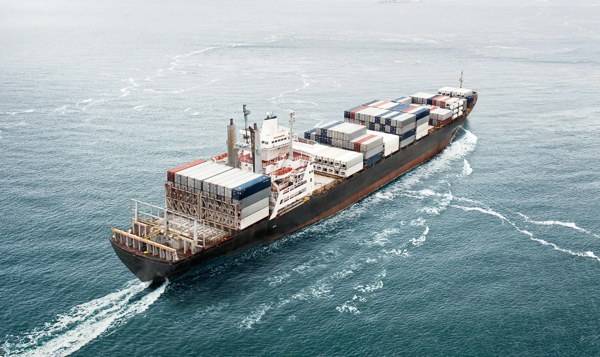 The marine sector has a significant presence in Asia. In 2023, it contributed a total of $145 billion in gross value added to the ten Asian economies: China, Japan, Singapore, Indonesia, South Korea, Hong Kong, Vietnam, Malaysia, Philippines and Taiwan.
These ten economies make up a significant proportion (51%) of the global marine sector, with China, Japan and Singapore comprising 70% of the gross value added in the region.
The contribution of the sector to national economies varies, however the region overall remains key to maritime trade both regionally and globally.
Hong Kong (China), Singapore, Japan and China are among the largest national fleets by deadweight tonnage in 2023, according to UNCTAD data.
Additionally, with major manufacturing bases and as the location of many of the world’s largest ports, the region’s critical role in trade reaches across goods types.
QBE forecasts the marine sector’s production in these ten central Asian economies ) will grow by 3.5% in 2024, with stronger growth of 5.0% in 2025 and 4.4% in 2026.
However, the performance of the marine sector can be heavily impacted by geopolitical developments.
For example, QBE explains, under the trade barriers scenario with the West, the US, EU, and other allies could raise trade barriers against China as a result of tensions between China and Taiwan.
This would have caused China to retaliate with similar trade barriers, as a result, the marine sector’s gross value added in the ten Asian economies would be expected to be 2.5% lower than the baseline scenario.
Under a scenario where the conflict in the Middle East escalates, the Israel-Hamas war could cause an oil price shock, leading to a significant slowdown in global growth. In this scenario, the sector’s gross value added is expected to be 0.9% lower than the baseline scenario in 2024.
The performance of the marine sector is heavily tied to cyclical developments as well as heavily impacted by geopolitical developments.
Conflict and unrest will, something key for businesses to keep an eye on, continue to directly or indirectly impact the sector. Maritime trade could face delay and disruption as operators seek alternative routes, are required to reschedule port calls and arrange for use of new logistics locations.
Volumes of trade imported to and exported from the Asia region could also face such disruption, including for containerised shipping that has previously relied on the strategic Suez Canal route, and grain transport from the Black Sea towards Asian markets.
The ongoing diversion away from the Suez route because of the targeting of shipping by the Yemen-based rebel Houthi movement has had a notable impact on global trade – but particularly for Asia-Europe trade, which relied on the route.
Other key things to watch include supply chain diversification, as even though trade with Asia continues, some businesses have in recent years begun to adopt more diversified supply chains.
This has implications for maritime transport where goods sources change and will be reflected both in changes to intra-regional shipping volume, and regional points of origin for extra-regional trade, significantly for containerised goods transport,according to analysts.
Additionally, the environmental impact of maritime transport remains a persistent concern around the world. Increased regulation of industries – like ship recycling – is a key issue to watch.
For example, several Asian locations operate significant recycling sites, adjusting to all the changes in obligations including for surveying and planning will also be key.
“Understanding the market landscape amidst geo-political tensions and carbon emission regulations requires industries to prepare for the new normal. Engagement with insurers would pave a clearer pathway with less potholes,” said Rama Chandran Head of Marine, QBE Asia.
Businesses in the marine industry need to be able to handle both ongoing and
future geopolitical risks as well as changing trends.
A team like QBE’s Marine and Loss Prevention teams unit can help businesses understand the risks specific to their business and ways in which they can reduce claims, the insurer highlights.
“By conducting risk assessment reviews to identify the likelihood and consequences of various hazards, insurers can help businesses navigate the changing world in which they operate in,” Sebastian Tjornelund Head of P&I Underwriting, QBE Asia, added.