Insured losses from the bushfires currently burning through New South Wales (NSW) and Queensland are currently estimated to be around AU $50 million (US $34 million), according to the Insurance Council of Australia (ICA).
Credit: Associated Foreign Press
The ICA reported that insurers had received 450 bushfire related claims from the regions so far, with many more expected to be lodged in the coming days and weeks.
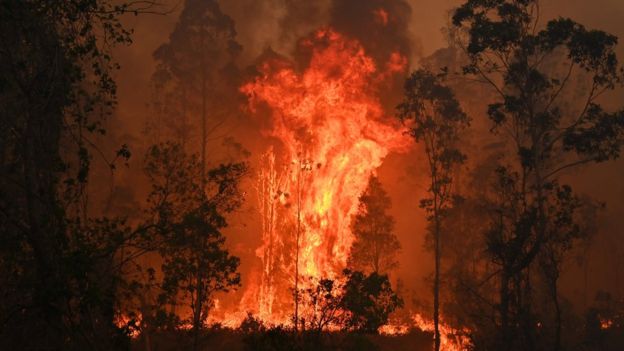
The east coast of Australia has ravaged by a devastating outbreak of bushfires over the past week, with about 150 fires still burning despite some improvement in conditions.
A state of emergency was declared across NSW and Queensland following the outbreak, and a “catastrophic” warning was put in place across the greater Sydney area and regions to the city’s north and south.
Since Friday, more than 200 homes have been razed, and three people have died. Reports claim that more than 50 houses were destroyed or damaged in NSW on Tuesday alone, but no lives were lost.
At one point fires also broke out in suburbs of Sydney, while blazes have triggered fresh emergencies in Queensland today.
Given the scale of property losses, the ICA, the Queensland Government, the Queensland Fire and Emergency Service and local insurers have collectively decided to extend the catastrophe declaration to Yeppoon and the Sunshine Coast.
Accordingly, insurance claims from bushfire-affected householders and small businesses in these two Queensland communities will be escalated and prioritised.
“Insurance assessors are starting to visit a limited number of areas that have been declared safe by emergency services, but dangerous bushfires remain active in many regions,” explained Campbell Fuller, Head of Communications at the ICA.
“Once insurers are aware of a claim they can swiftly provide appropriate help to the customer, which in many cases may include authorising urgent repairs or arranging emergency accommodation.”
The bushfires in Australia are thought to have been triggered by extremely dry conditions in the affected areas, although the Government has declined to comment on the possible effect of climate change on the outbreak.
While conditions are now easing, high temperatures, dry winds, and dry lightning is forecast in the days ahead, with no rainfall expected.
Fire services authorities also warned that the rest of the summer season is still to come, meaning communities may not be out of danger for some time yet.