Interim solutions and contingency planning are reducing some of the risks of a ‘no-deal’ Brexit, but it remains uncertain how restrictions on cross-border authorisation could potentially impact re/insurers and other financial institutions (FIs), according to analysts at Fitch Ratings.
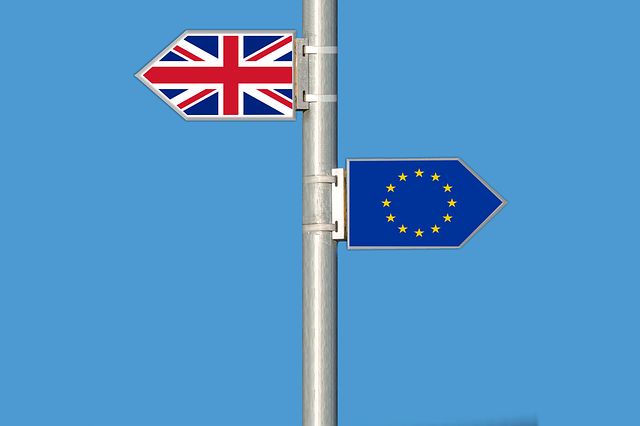 The rating agency noted that a range of potential Brexit outcomes still remain possible, and it does not consider any single scenario to have a high probability.
In the event of a disorderly no-deal scenario, UK re/insurers and other FIs may have to deal with the loss of European Union (EU) passporting rights, which authorise UK FIs to transact with EU clients.
Analysts said that this risk has been mitigated to some extent by national legislation in a number of EU27 states that would give UK FIs temporary authorisation and avoid disruption to insurance claims and derivative contracts.
Fitch claimed that all its rated UK insurers have enacted contingency plans of some form to ensure ongoing claims payments after Brexit, for example by obtaining new business licences or transferring claims on legacy policies to an EU27-based subsidiary.
Nevertheless, the European Insurance and Occupational Pensions Authority has estimated that 9.1 million policyholders may still face uncertainty and delays in receiving payments.
For cleared derivatives, analysts explained that the European Commission’s pledge to provide UK central counterparties (CCPs) with temporary conditional authorisation could buy time for UK CCPs to gain permanent EU authorisation, or for EU27 counterparties to close out and rebook contracts to EU27 venues.
Fitch believes that performance on most existing uncleared derivatives would be unaffected by a loss of EU authorisation, but warned that complications could arise if certain derivative life-cycle events occurred when authorisation had been lost.
In this case, UK FI’s may be able to fall back on authorisation by individual EU member states, while European supervisors have proposed a one-year exemption for clearing and bilateral margining obligations if UK FIs novate legacy contracts to EU27 group entities or third-party EU27 counterparties.