Following the news that an Uber operated autonomous, or self-driving, vehicle was involved in a fatal collision with a pedestrian, there could be a pause, as developers and insurers look to better understand how this happened, but it is unlikely to halt development of the technology, according to law firm Clyde & Co.
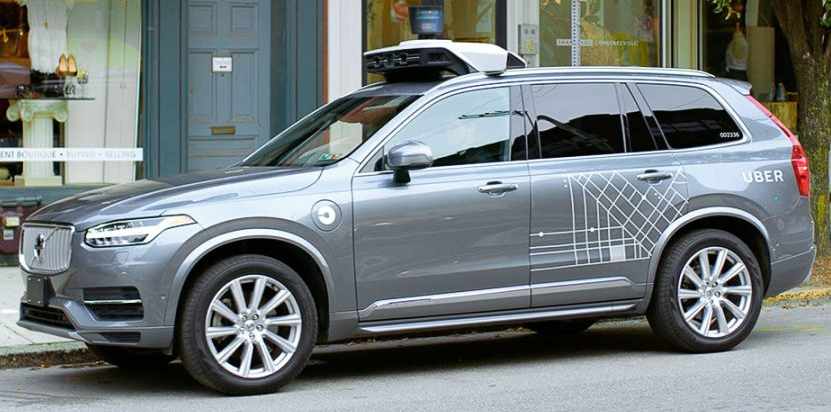 The incident saw a 49-year-old woman hit by a self-driving car and killed as she crossed a street in Tempe, Arizona in recent days.
It’s considered the first time that an autonomous vehicle has been involved in a fatal accident, although there have been crashes and non-fatal road accidents involving the technology before.
Nigel Brook, partner at global law firm Clyde & Co, explained, “Insurers and the firms developing autonomous vehicles will be keen to understand the full implications of this accident as more details emerge. However, the reality is that the development of this technology will continue apace.”
Insurers have struggled to come to terms with how the liability could shift from driver to manufacturer with the introduction of self-driving cars, incidents like this will therefore be closely assessed for potential liability ramifications.
Brook continued, “An event like this, while tragic, is not unanticipated. A safety driver was present in the Uber vehicle but seemingly couldn’t prevent this accident. This highlights a key question surrounding so-called Level 2 or Level 3 autonomy – partial or conditional automation. If the system hands back control to the human driver at short notice, how readily can they react? This isn’t so much about the technology; it’s about how quickly someone can re-engage with their surroundings and avoid any potential hazards.
“One of the key benefits of self-driving vehicles is that they collect and store masses of data. Investigators will be able to interrogate the vehicle to understand what happened and why the collision occurred. Ultimately, this trove of data will improve safety and help detect fraudulent insurance claims, which will benefit every motorist.
“Let’s be clear: no one has claimed these vehicles are accident-proof. What we do know is that ultimately they should be considerably safer than human drivers.”