Severe weather losses in Manitoba and Saskatchewan – neighbouring provinces located in Western and Central Canada – have climbed above $840 million, according to the latest estimate from Catastrophe Indices and Quantification Inc. (CatIQ).
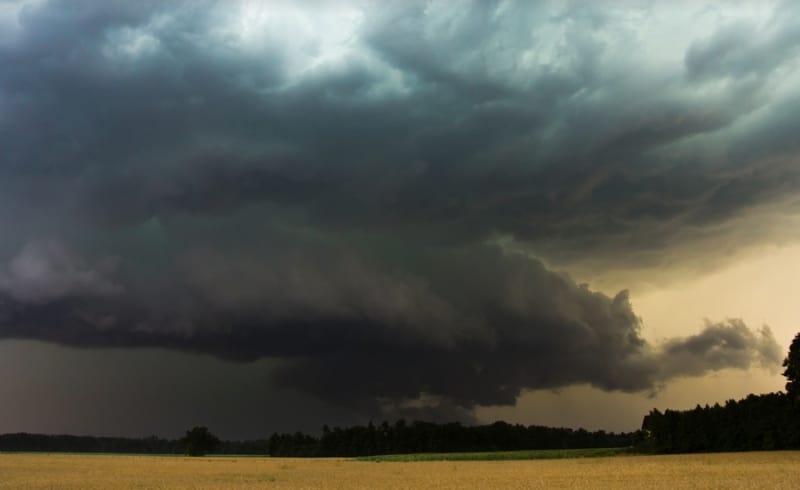 Between June 9 and 10, these two provinces experienced heavy storms that brought tornadoes, hail, damaging winds, torrential rain and flash flooding, affecting tens of thousands of residents and businesses.
Aaron Sutherland, Vice-President, Pacific and Western, Insurance Bureau of Canada (IBC), commented: “The frequency and severity of extreme weather have increased in recent years, particularly in Manitoba and Saskatchewan.
“This trend demands action and that we rethink how we can better protect communities. Surging insurance claims are contributing to pressure on home insurance premiums. One of the most effective ways to reduce the cost of home insurance over the long term and better protect communities is to invest in resilience now.”
The event underscores a compounding trend of high-cost natural disasters in the region. Since 2021, Manitoba and Saskatchewan have experienced 30 catastrophic weather events resulting in over $2.5 billion in insured losses.
That equates to nearly $1,000 in insured losses per person across these two provinces over the past five years – an increase of 140% over the previous five years.
In 2025 alone, wildfires in Manitoba and Saskatchewan caused roughly $430 million in insured losses, while flash flooding, hail and strong winds caused a further $330 million in insured losses.
So far in 2026, five of Canada’s 11 catastrophic weather events have affected Manitoba and Saskatchewan, including a dust storm with damaging winds that caused $40 million in insured losses.
CatIQ will soon release initial estimates for additional severe storms, hail, and flooding in both provinces on June 26-30, July 4-6, and July 10-11.
“This year is shaping up to be another challenging year of extreme weather across the Prairies,” said Sutherland. “Families and businesses have had their lives disrupted and their property damaged. Insurers will continue to help them recover and rebuild from this storm and others – it’s what they’re there for.”
IBC is reiterating its call for all orders of government to take immediate steps to reduce Canadians’ exposure to extreme weather events.
Key policy measures advocated by the IBC included consumer incentives for property retrofits, stricter building codes reflecting future climate risks, and restrictions on new developments in high-risk flood and wildfire zones.
The bureau is also calling for expanded investments in municipal flood infrastructure and the integration of FireSmart community mitigation strategies where high-risk development cannot be avoided.