The financial impact of natural catastrophes remains a key topic across the insurance and reinsurance sector, with the past five years exceeding the USD 100-billion mark in terms of losses, but admittedly, there is a big protection gap that the industry needs to address, says Andreas Berger, Group Chief Executive Officer of Swiss Re.
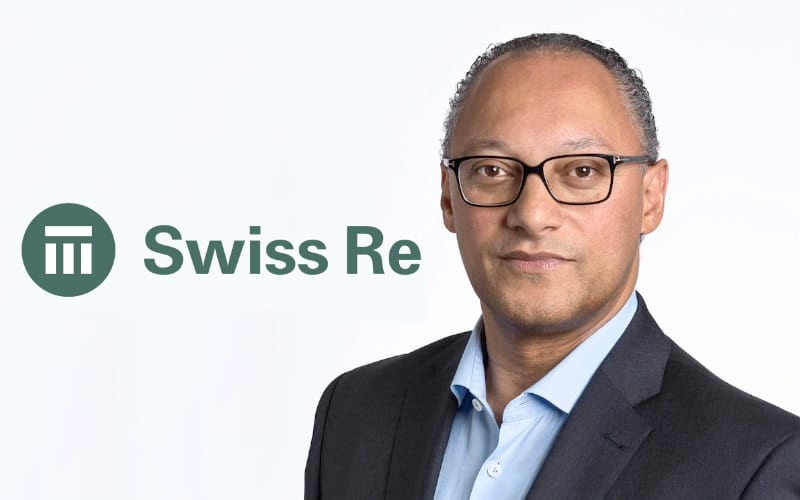 During a recent interview with CNBC, Berger discussed the increasing financial impact of nat cat events.
“We have seen now that in the fifth consecutive year, the natural catastrophe losses exceeded $100 billion. Now for this year, we are at $135 billion. This is a lot,” Berger said.
“In particular when it comes to what we call the secondary perils, the frequency losses increase, and they typically remain with the primary insurance sector, or even with the reinsurance.
“The reinsurance sector is the shock absorber. We look at severity, protecting the severity, then also we provide analytics for people to better understand, get the awareness, but better understand and quantify the impact. And that’s where we come in and try to mitigate.
“But admittedly, there is a big protection gap, and this protection gap actually widened, and I think that’s what we need to address.”
During the interview, Berger explained how reinsurers price risk around areas that could be problematic in future, in comparison to working out whether new areas could be problematic for the insurance industry in the future.
“The reality is as natural catastrophe increased climate change was one factor. The other factor was the accumulation of assets in urban situations, coastal situations, typically in areas where you have natural catastrophe events, you always had those events.”
Importantly, Berger notes that the industry needs to help people understand and gain awareness of the risks, which is clearly demonstrated through the use of public private partnerships.
He names Flood Re, the UK government-backed initiative as a key example where government parties, authorities, and the insurance industry, are working together to effectively address the awareness of climate-related risks.
However, despite the industry’s profitability from climate-related losses, the CEO stresses the importance of earning the cost of capital to maintain resilience.
“For too long in our industry, we haven’t earned the cost of capital. So what we need is a very resilient reinsurance and insurance sector. Otherwise, we will not protect the insurance and increase resilience of society. That’s our mission, our purpose, to make the world more resilient.”