
PERILS, the independent Zurich-based provider of catastrophe insurance market data, has released its second industry loss estimate for the severe convective storms (SCS) that affected Germany, France, Switzerland and Italy from 13 to 19 July 2026, placing losses at EUR 2,806 million.
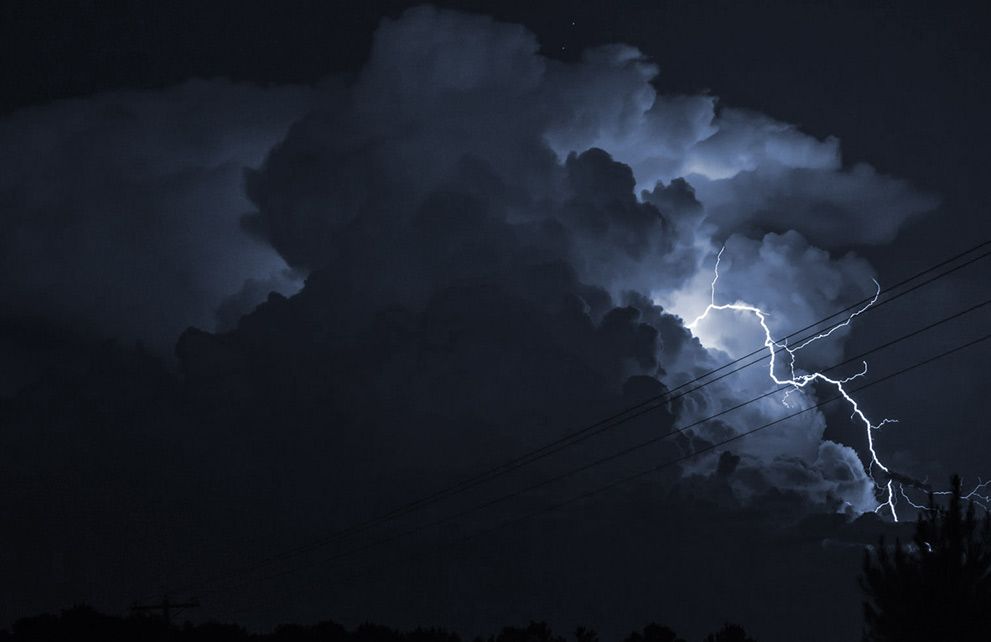
 From 13 to 19 July 2026, a wave of SCSs was triggered by high-level cool air moving in from the northeast across the continent. This created a “suction” effect, lifting hot, humid air from the preceding heatwave and creating ideal conditions for the formation of numerous scattered convective storm cells.
Some of these thunderstorm cells produced very large hail, damaging wind gusts and exceptionally intense rainfall.
The second loss estimate for the storms, also known as “SCS Cerry” following the naming of an associated low-pressure system by the Free University of Berlin, is based on loss data collected from affected insurers and covers the property and motor lines of business.
PERILS’ latest estimate represents an increase from its initial industry loss estimate of EUR 2,186 million.
PERILS will disclose a third loss estimate for SCS Cerry on 19 January 2027, six months after the event end date.
In addition, CatIQ, the independent Toronto-based organisation providing industry-wide catastrophe insurance data and a subsidiary of PERILS, has released its second industry loss estimate for the severe convective storms that affected southern Ontario, including Toronto, on 2 and 3 September 2026.
CatIQ has raised its loss estimate to CAD 671 million, from its initial estimate of CAD 563 million.
The loss estimate covers the property and motor lines of business. CatIQ will release its next estimate for the southern Ontario SCS on 3 December 2026, three months after the event end date.
Luzi Hitz, Product Manager at PERILS, commented, “These two loss updates show clearly that severe convective storms are a major risk for the insurance markets in Europe and Canada. In fact, in recent years most mid-latitude countries globally have experienced more severe losses from convective storms than previously. There are multiple factors driving this. Firstly, this reflects the increase in vulnerable assets such as solar panels, roof windows, light-weight blinds and soft external wall insulation. Also, as economies grow there are simply more assets at risk of damage. Finally, the warming climate is driving an increase in the formation of more violent and damaging SCS events.”
Caroline Floyd, Director of CatIQ, added, “Severe convective storms have again been at the forefront of what has been a very active year for Canadian catastrophes. More than half of the year’s events involved SCS, including multiple major catastrophes affecting large population centres. The growing global impacts of this peril reaffirm the importance of having accurate data detailing the effects of these kinds of events.”