Analysts at Howden have asserted that the re/insurance market is “strongly positioned” to navigate the economic fallout from Russia’s invasion of Ukraine, despite the myriad risks the conflict presents.
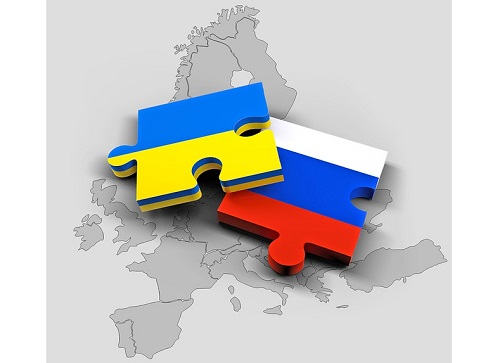 Risks identified by Howden in connection with the war include direct underwriting losses, rapidly rising prices, slower economic growth, financial market volatility and the potential for asset shocks.
But Howden argues that these outcomes are similar to the consequences of other recent crises such as the COVID-19 pandemic and the financial crisis, from the re/insurance market emerged “relatively unscathed,” the broker says.
Looking first at direct exposures, Howden notes that underwriting and investment risks linked to the war in Ukraine are currently limited and appear manageable.
Even for global P&C carriers with operations in Russia, estimates of local asset and insurance liability exposures are less than 2% of total adjusted capital, and for reinsurers it’s thought to be less than 1%.
Likewise, claims, whilst meaningful, are likely to be limited primarily to the speciality market, with exposed lines likely to include political violence, political risk, cyber, aviation (war), marine / cargo (war), energy and trade credit, most of which are heavily concentrated in the Lloyd’s market.
Another area of concern is inflation rates, which are set to surge on the back of higher energy prices, meaning rising costs could add to loss severity and erode margins in already impacted areas of the market.
But according to Howden, the insurance market has traditionally performed better during times of high inflation, driven by higher pricing and investment yields.
And despite the highly instable macroeconomic backdrop, analysts believe the sector looks set to continue to benefit from above-trend premium growth.
“Cyclical and structural factors, including significant rate increases and increased risk aversion in an uncertain risk landscape, have propelled P&C premium growth ahead of GDP growth in recent years,” they said.
“Notwithstanding the loss of premium income at local or individual line of business level due to sanctions, this trend is likely to be sustained this year, even if economic growth is pared back.”