SCOR Global Life has collaborated with Garmin International, Inc. on a first-of-its-kind initiative that leverages an exclusive algorithm designed to motivate users to lead healthier lives.
 The collaboration with Garmin International, a subsidiary of US-based multinational technology company, Garmin Ltd., supports an initial launch of reinsurer SCOR’s enhanced Biological Age Model BAM™ solution with Taiwan’s Nanshan.
The initiative leverages the data from the solution to provide practical health solutions to consumers through global insurers programs. By utilising Garmin’s wearables data to calculate an individual’s biological age, the algorithm provides a clear and simple health indicator, which is useful for both insurers and consumers.
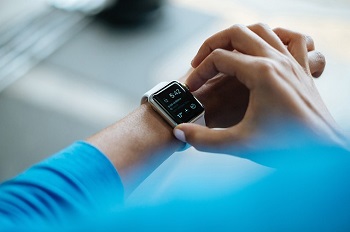
Together, SCOR Global Life and Garmin International developed an algorithm that implements the reinsurer’s actuarial science with wellness data from Garmin’s wearables. Customers of insurer Nanshan that participate in the program will receive full access to Garmin metrics, which includes things like steps, resting heart rate, active calories, and sleeping hours.
“Garmin is continuously expanding its smartwatch lineup and developing new technologies to promote active and healthy lifestyles.
“Garmin is eager to work with SCOR Global Life on an innovative underwriting solution that helps insurers leverage objective data from Garmin wearables and responds to the needs of health-conscious consumers,” said Joe Schrick, German vice president fitness segment, Garmin.
Combined with the Good Life app, which was developed by SCOR’s InsurTech solution provider, ReMark, the initiative supports and encourages consumer lifestyle aspirations.
Vincent Lepez, SCOR Global Life head of global markets – Asia, Continental Europe and Latin America, commented, “Together with Garmin, SCOR Global Life is paving the way for the future of life insurance and helping to reposition insurers as health and well-being experts dedicated to their customers’ long-term health and happiness.
“Clinical evidence proves that activity level has a direct influence on mortality and critical illness risks, so this initiative potentially has far-reaching implications for global public health.”