According to initial estimates from Catastrophe Indices and Quantification Inc. (CatIQ), a Toronto-based organisation providing industry-wide catastrophe insurance data and a subsidiary of PERILS, 10 extreme weather events this summer across Alberta, Saskatchewan, and Manitoba caused overall insured damages of more than CAD 1.8 billion.
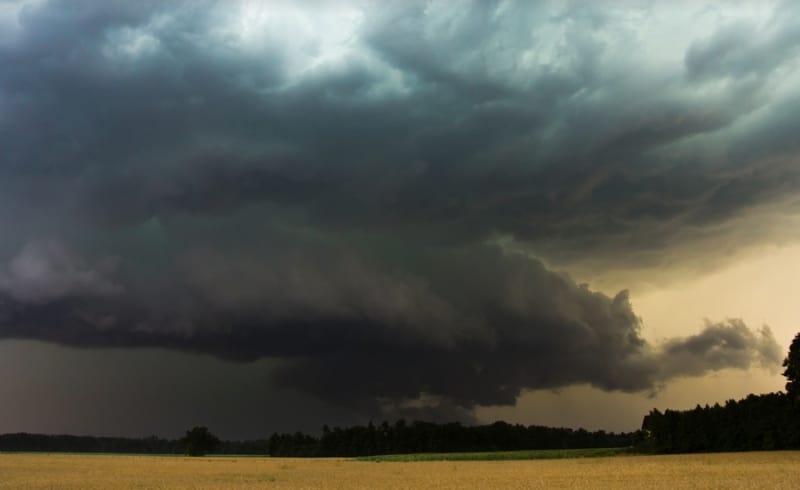 Historically, wind, hailstorms, and wildfires are the costliest extreme weather risks in the Prairies in summer, but 2026 saw heavy rain and flooding causing the majority of damage across the three provinces.
According to the Insurance Bureau of Canada (IBC), these events caused extensive damage and increased insurance claims across the Prairies.
The storms that affected Saskatchewan and Manitoba on June 9 and 10 caused insured losses of over CAD 900 million as they brought tornadoes, hail, damaging winds, torrential rain, and flash flooding affecting tens of thousands of residents and businesses.
The company reports that this event was followed by thunderstorms that affected a wide region from Alberta to Ontario from July 4–6, causing insured losses of over CAD 270 million, as they brought hailstones, as well as 100 millimetres of rain, and strong wind gusts.
Over CAD 160 million in insured losses were driven by two events: floods in central Alberta and a slow-moving storm that moved across the Prairies and caused extensive flooding in Alberta, Saskatchewan and Manitoba.
A two-day severe weather outbreak that produced rain, hail, and ten tornadoes across Alberta and Saskatchewan caused insured losses of over CAD 140 million. While prolonged rainfall event over central Alberta, which resulted in significant flooding during May 31–June 2, added over CAD 80 million.
Nearly CAD 70 million in insured losses was driven by August thunderstorms that produced significant amounts of rainfall and very large hailstones over southern Alberta.
Meanwhile, the last three events added approximately CAD 40 million each, these include wind damage in May across Saskatchewan and Manitoba, floods in Alberta and Saskatchewan due to two EF2-rated tornadoes, and August hail in Alberta.
Aaron Sutherland, Vice-President, Pacific and Western, IBC, commented, “Once again, the Canadian Prairies have been hit hard by extreme weather, with floods, hailstorms and tornadoes causing extensive damage to homes and businesses. The growing frequency, severity, and financial cost of these events demands that we rethink how we can better protect communities moving forward and increase investment in resilience now.”
Jolee Crosby, Chief Executive Officer, Swiss Re Canada, said, “What this summer shows is that Canada doesn’t need one enormous catastrophe to experience significant losses. A succession of floods, hailstorms, wildfires and severe storms can add up very quickly. That makes resilience increasingly important, not just for insurers, but for homeowners, businesses and communities across Canada.
“Severe-weather losses are about more than the hazard itself. Where and how we build, the concentration and value of property in exposed areas, and how resilient that property is all influence the ultimate cost when an event occurs. We can’t prevent severe weather, but stronger building standards, resilient infrastructure and practical measures at the property level can help reduce the damage.”
The IBC explained that over the last decade, insured losses from extreme weather in Canada has averaged CAD 3.7 billion annually, a hike from CAD 1.4 billion in the previous decade, and CAD 883 million in the decade before that.
This is a 320% increase in annual losses since the late 1990s and early 2000s, after accounting for inflation. 2024 was the costliest year on record for the country, with insured losses from extreme weather exceeding CAD 9.4 billion.
Crosby added, “Canada’s risk landscape is also changing as more people and property become concentrated in areas exposed to severe weather. The same storm can have a very different financial impact depending on what lies in its path. Understanding how those exposures are evolving, and taking steps to make communities more resilient, will be critical to keeping risks insurable over the long term.”