
Insurance markets of the Middle East and Northern Africa are expected to outgrow the region’s GDP over the next 12 months, according to senior executives polled in The MENA Insurance Pulse 2018, published by Dr. Schanz, Alms & Company.
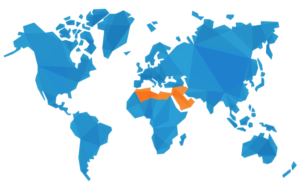 The report states that personal lines remain a key driver for premium growth, with primary insurers benefiting from compulsory insurance requirements and regulatory actions that support rates.
Geopolitical instability and economic headwinds are anticipated to weigh on the industry’s outlook. However, price adequacy in commercial lines, especially property business, has improved, mainly in response to severe fire losses.
The study’s authors, Dr. Kai-Uwe Schanz and Henner Alms, explained, “The region’s strong insurance premium growth is still considered the market’s most important strength, followed by significantly modernised regulatory regimes and a relatively moderate natural catastrophe exposure.”
“Going forward, markets are expected to structurally benefit from the region’s still low insurance penetration, which is a mere quarter of the global average. Further, digitisation will contribute to reduce operating and acquisition expenses and enhance the appeal of insurance products to the region’s large young population.”
Poor pricing and profitability as a result of excess capital and competition are seen as a key weaknesses of the MENA insurance marketplace. As workforce localisation requirements are enforced and the influx of expatriate workers slows, the report warns of a talent gap, particularly in digital skills.
Additionally, with one-third of the regions’ 200 insurers based in UAE the market remains highly fragmented. Many of these players are considered non-viable given tightened solvency requirements and major IT investment needs.
Geopolitical risks including Iran’s future nuclear deal and the region’s continued dependence on hydrocarbon revenues dampen the industry’s outlook, says the report. Despite improving oil prices since 2016, there remains an awareness of the fuel sources’ vulnerability and volatility.
Executives polled believe rates and profitability might have passed the bottom of the cycle. Commercial and personal lines are currently being estimated at being in-line or slightly above the average of the last 3 years and are expected to remain stable.
In addition, the majority expects rates in commercial and personal lines to remain stable or increase further over the next 12 months.
Overall, personal lines are expected to outperform commercial lines as regulatory pricing actions and the enforcement of compulsory insurance schemes, like motor and medical, have a strong effect on both premium growth and rates.
The report found commercial lines’ overall profitability to be low. Although rates have improved, a higher frequency of large claims and deteriorating reinsurance contract terms and conditions took their toll on technical profitability.
In personal lines, a vast majority of those interviewed considered current technical profitability higher or in-line with the average of the past 3 years, due to significant rate increases in motor and medical business.
Looking forward, the report expects profitability in commercial lines to remain unchanged or edge slightly higher. Corrective measures on the pricing, reserving and claims settlement side will continue to make themselves felt.
In personal lines, those polled saw profitability prospects unchanged or slightly improving, benefiting from a continuation of regulatory support, but also enhancements in claims management practices, partly enabled by digital technologies.
Relevant forces driving market concentration higher over the next 12 months include tightened regulatory capital requirements and growing investor impatience. As far as foreign, non-MENA based insurers are concerned, only a minority of respondents expected their market share to increase.