Energy supplier Pacific Gas & Electric Co. (PG&E) has acknowledged that it is “probable” that its equipment was responsible for igniting the Camp Wildfire, which became the deadliest and most destructive fire in California’s history last year.
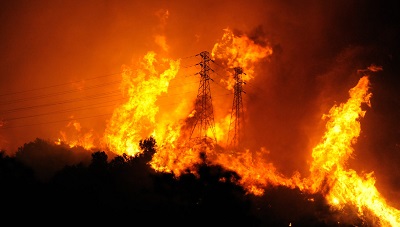 The California-focused utility company, which filed for bankruptcy in January, revealed it was taking a $10.5 billion charge for claims connected to the Camp fire in its fourth quarter earnings.
PG&E had previously stated that its transmission line lost power right before the fire started and was later found to be damaged.
Current estimates put insured losses from the fire at around $12.5 billion, with 18,804 buildings destroyed and 85 people killed.
Under California law, PG&E faces full financial liability for all damages resulting from the wildfire if it is determined that its equipment was the cause of the blaze.
PG&E equipment has also been found liable in at least 17 major wildfires in 2017, although authorities recently confirmed that the energy supplier would not face liability for the 2017 Tubbs fire.
“We recognize that more must be done to adapt to and address the increasing threat of wildfires and extreme weather in order to keep our customers and communities safe,” said John Simon, interim CEO of PG&E, in a statement.
“We are taking action now on important safety and maintenance measures identified through our accelerated and enhanced safety inspections and will continue to keep our regulators, customers and investors informed of our efforts,” he explained.
If PG&E is found liable for damages from the Camp Wildfire, it may alleviate losses for some re/insurers, but many companies will continue to face exposure via PG&E’s approximately $1.4 billion re/insurance program, which includes its $200 million Cal Phoenix Re Ltd. (Series 2018-1) catastrophe bond.
A.M. Best has also suggested that many re/insurers may have additional avenues of exposure to PG&E’s volatility due to the fact that the industry holds between roughly one fifth to one quarter of the company’s debt, or about $4.1 billion.